
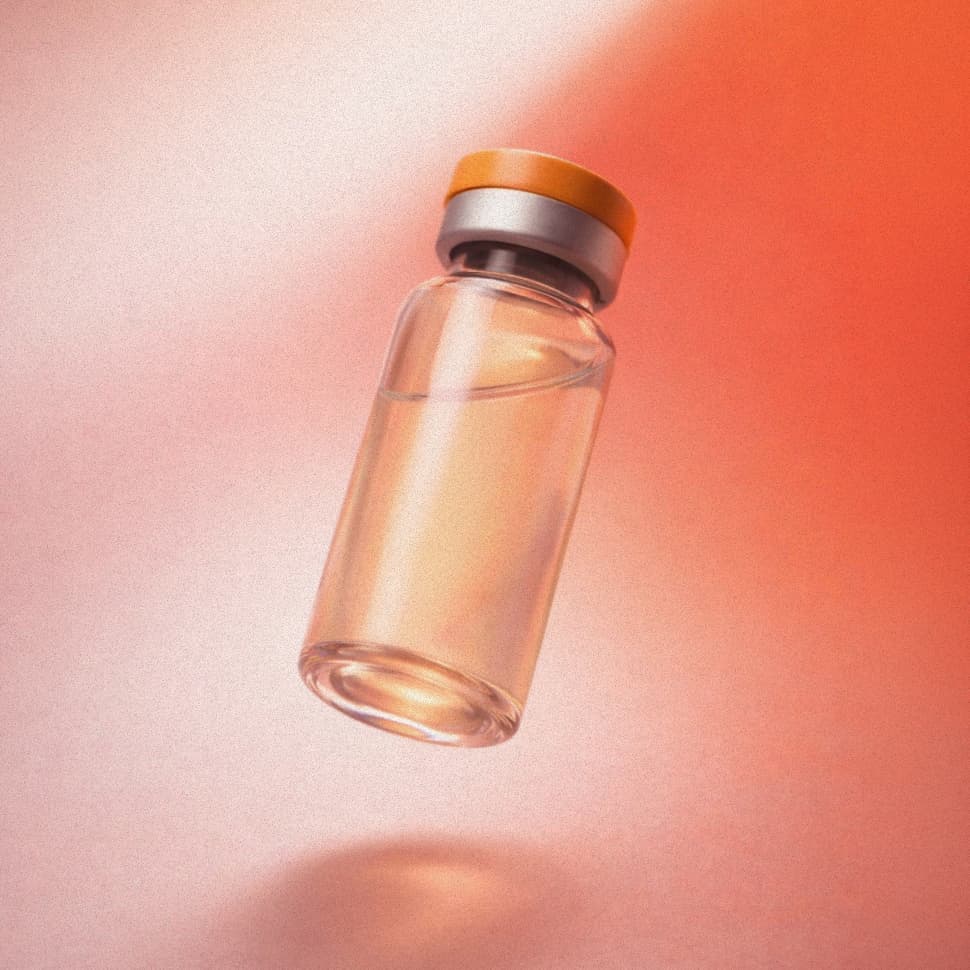
Actual medication label and appearance may vary
Peptide Treatment
BPC-157 Injection
Choose a treatment option
BPC-157 (Body Protection Compound-157) is a synthetic peptide derived from a gastric protein fragment. It is being studied for potential regenerative and anti-inflammatory effects in musculoskeletal and gastrointestinal tissues.
Check eligibilityHuman clinical outcome data remain limited, and BPC-157 is not FDA-approved to diagnose, treat, cure, or prevent any medical indication or illness.
Why it works
Key benefits
- Support for tendon, ligament, and muscle recovery
- Reduced local inflammation and discomfort
- Assistance with microvascular perfusion and tissue remodeling
- GI mucosal support (preclinical models)
Based on preclinical and early translational data
Mechanism
How it works
Preclinical studies suggest modulation of angiogenesis (VEGF/VEGFR2), nitric oxide signaling (eNOS/iNOS balance), and cytoprotective pathways that support tissue repair and microcirculation. Evidence of efficacy in animals is robust across tendon, ligament, muscle, bone, and GI injury models; rigorous human trials are scarce.
Frequently asked questions
FAQs
Perceived improvements, when they occur, are typically gradual over 2–6 weeks and depend on injury type, rehab adherence, and dose. Continue physical therapy and standard care for best outcomes.
Generally reported as mild: temporary redness at the injection site, headache, lightheadedness, or fatigue.
Before you begin
Informed Consent & Safety
Long-term human safety data are limited; report unusual or persistent symptoms to your clinician.
Research & Studies
Evidence at a Glance
- 1.
Józwiak K et al. Pharmaceutics (2024). Multifunctionality and possible medical applications of BPC-157 (mechanisms, toxicity overview).
- 2.
“Regeneration or Risk? A Narrative Review of BPC-157 for Musculoskeletal Medicine.” Frontiers (2025). Strong preclinical signal; minimal human data; investigational status.
- 3.
“Emerging Use of BPC-157 in Orthopaedic Sports Medicine.” Frontiers (2025). Animal models across soft tissue and bone; small retrospective human series.
- 4.
Sikiric P et al. Pharmaceuticals (2023). Reviews pleiotropic, gut–brain axis and cytoprotective actions.
Interested in BPC-157 Injection?
Take a short assessment and a licensed provider will review if this treatment is right for you.
Clinical Guidance Disclaimer
The information provided in this document is for educational and informational purposes only and is not intended as a substitute for professional medical advice, diagnosis, or treatment. It should never replace sound clinical judgment or personalized advice of a qualified healthcare professional. Always seek the advice of your physician or other qualified health provider with any questions you may have regarding a medical condition or treatment protocol. Never disregard professional medical advice or delay in seeking it because of something you have read in these materials.
Liability & Indemnification
By utilizing this information, the user acknowledges and agrees that REBL and its affiliates, providers, and staff are not liable for any direct, indirect, or consequential damages resulting from the use or misuse of the information provided herein. Any reliance on the materials contained in this document is solely at the user's own risk.
Regulatory Status
Compounded research peptide; not FDA-approved. BPC-157 is also prohibited in sport under anti-doping rules.
Proprietary Rights & Use Restrictions
This document and its contents are the proprietary property of REBL. Unauthorized use, duplication, reproduction, or distribution of these materials—in whole or in part—without express written consent is strictly prohibited.